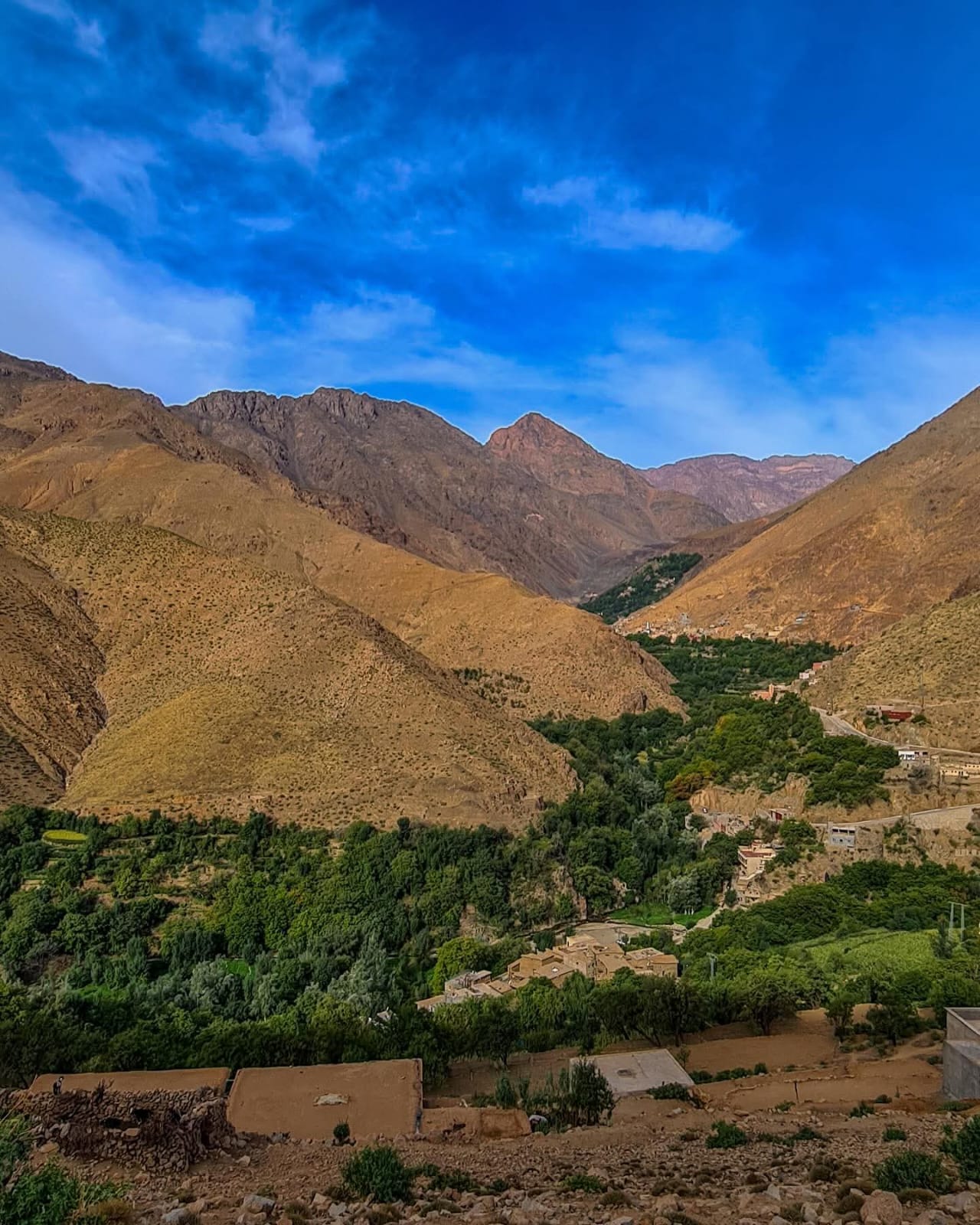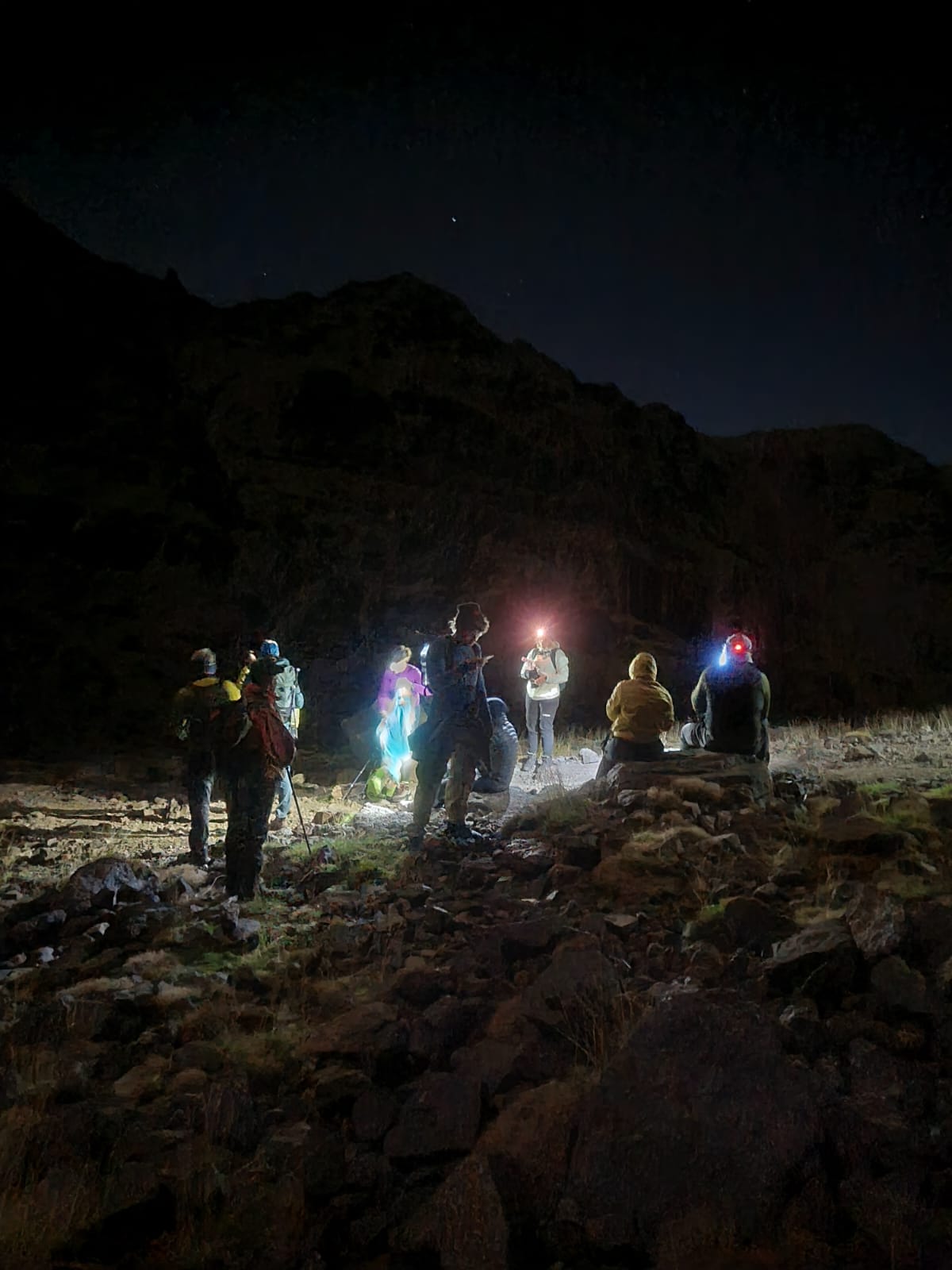
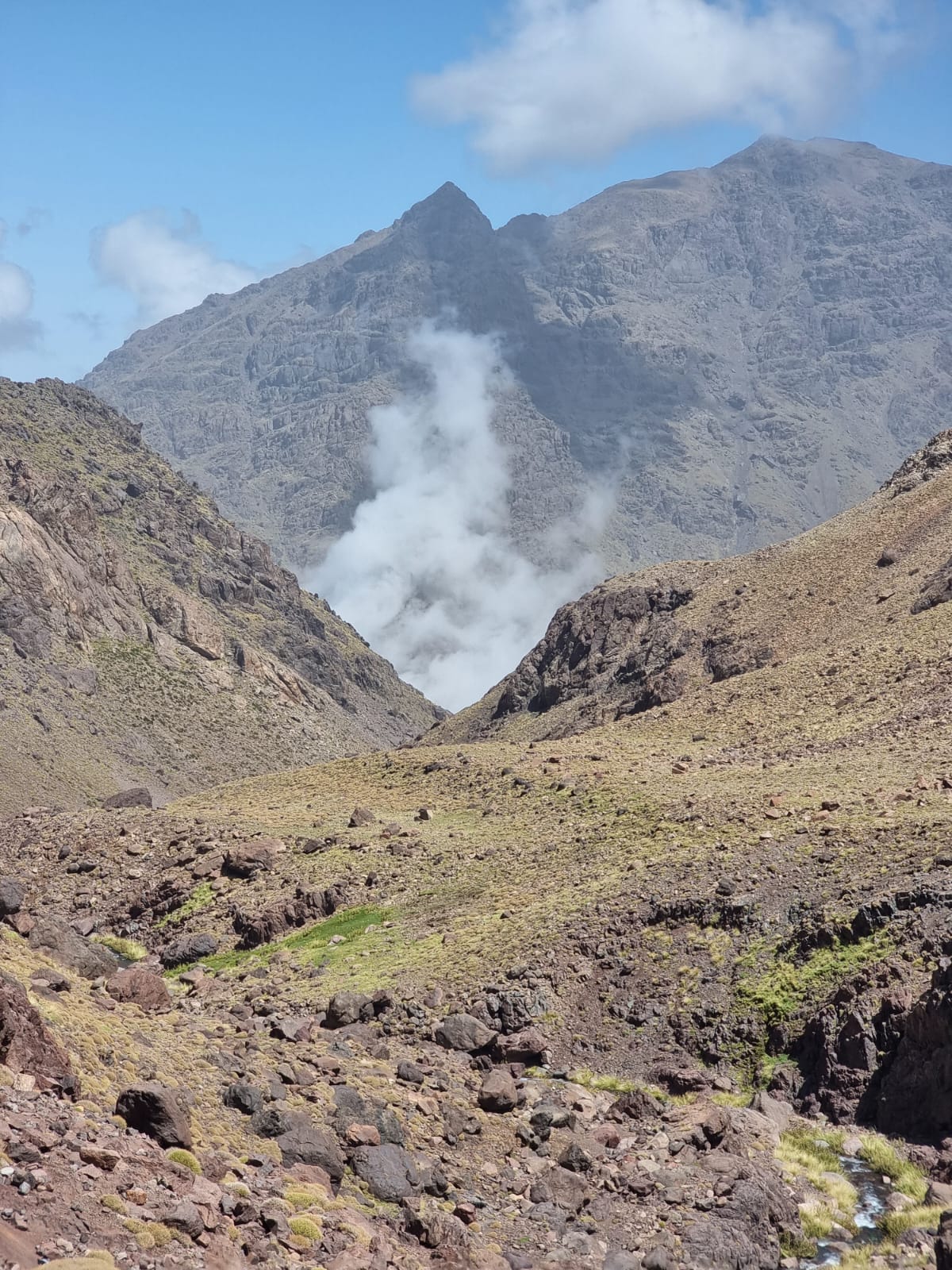
The High Atlas is North Africa’s greatest mountain range, stretching across central Morocco with dozens of peaks above 3,500 m. For trekkers, it offers an unusual mix: big summits within two hours of Marrakech, ancient mule paths between Amazigh villages and remote valleys where you may not see another hiker all day. This guide ranks the best treks in the High Atlas around Toubkal, by length, difficulty and what makes each one special.
What makes a great High Atlas trek?
The best treks in the High Atlas combine three things: a strong landscape (passes, summits, gorges or lakes), genuine village life along the way and a logistics model that works, usually with a local guide, a cook and mules carrying the luggage. The Toubkal region, accessible from Imlil, concentrates many of these routes inside Toubkal National Park, Morocco’s first national park.
The best treks in the High Atlas at a glance
| Trek | Days | Max altitude | Difficulty | Best for |
|---|---|---|---|---|
| Classic Mount Toubkal ascent | 2–4 | 4,167 m | Moderate–hard | First summit above 4,000 m |
| Valleys & Toubkal (Tizi n’Tacht, Tizi n’Mzik) | 5 | 4,167 m | Moderate | Villages plus summit |
| Toubkal circuit via Lake Ifni | 6–8 | 4,167 m | Moderate–strenuous | Variety and solitude |
| Lake Ifni & Iferouane summit | 5 | 4,002 m | Challenging | Remote eastern High Atlas |
| Imlil valley day hikes | 1 | ~2,300 m | Easy | Short stays, families |
| M’Goun massif | 5–7 | 4,071 m | Moderate–hard | Gorges and Central High Atlas |
1. The classic Mount Toubkal ascent
The most famous trek in Morocco climbs Mount Toubkal (4,167 m), the highest peak in North Africa. From Imlil, the trail climbs to Aremd, passes the white shrine of Sidi Chamharouch and reaches the Toubkal Refuge at around 3,207 m. The summit is climbed early the next morning. Our 4-day Mount Toubkal trek adds a night in Aremd for better acclimatisation, which makes summit day far more enjoyable. Read our honest guide to how hard Toubkal really is before choosing.
2. High Atlas valleys and Toubkal
This five-day route warms up over two passes before the summit. Day one crosses Tizi n’Tacht (about 2,020 m) to Tizi Oussem; day two climbs to the panoramic Tizi n’Mzik (about 2,400 m) and descends to Aremd. Only then do you head for the refuge and the summit. It is perfect for hikers who want to understand the valleys, not just tick off the peak. See the 5-day High Atlas valleys and Mount Toubkal trek.
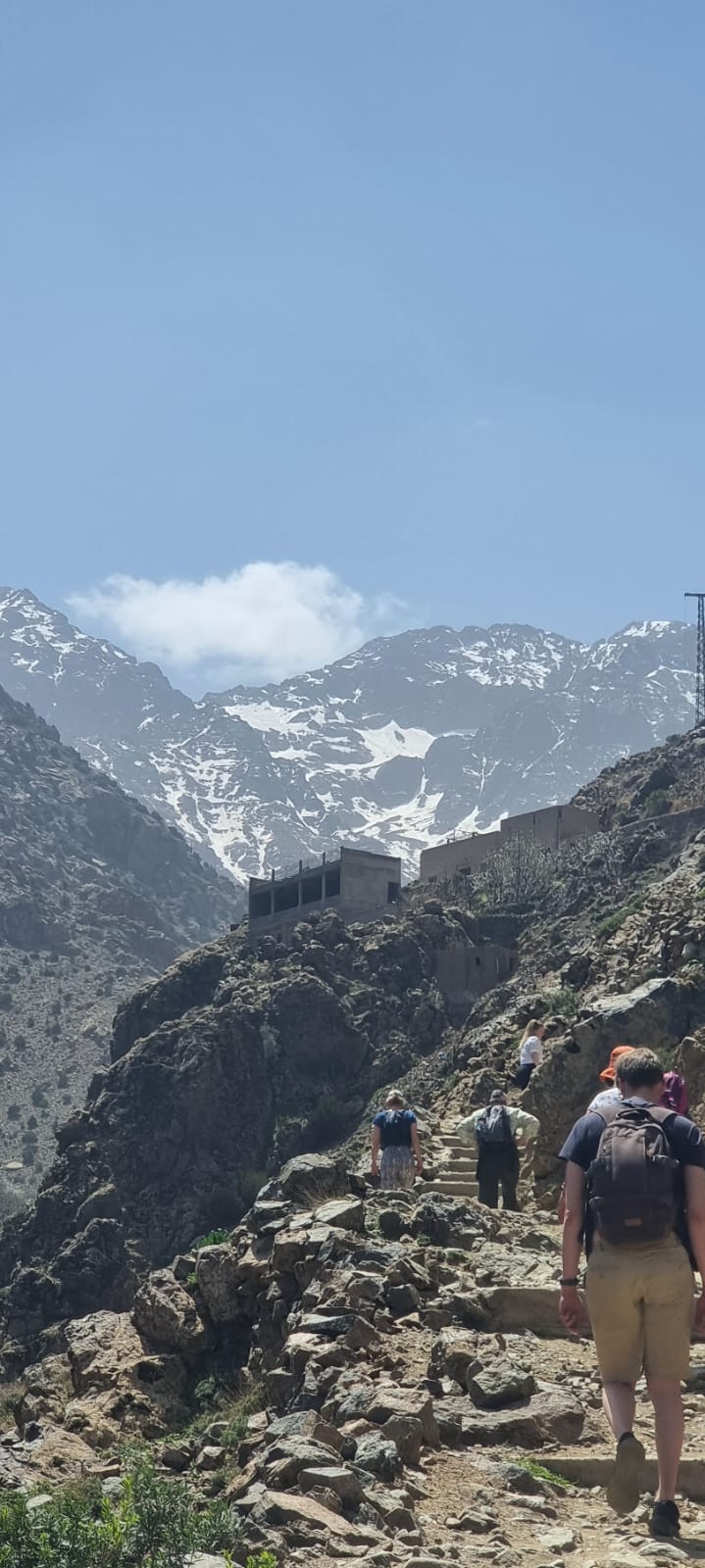
3. The Toubkal circuit via Lake Ifni
For many experienced trekkers, this is the finest route in the range. It loops around the massif through Tachdirt, over Tizi Likemt (about 3,600 m), down to the shepherd camp of Azib Likemt, through the Amsouzart valley, up to Lake Ifni and finally over Tizi Ouanoums to the refuge before the summit. Our 6-day summer villages and Toubkal trek follows this logic. Full itinerary in our Toubkal circuit trek guide.
4. Lake Ifni and Iferouane summit
One of the least touristic treks in Morocco, this five-day route explores the eastern side of the Toubkal massif. You camp at Lake Ifni, walk through Amsouzart and shepherd settlements, sleep at Azib Aourai base camp (about 3,000 m) and climb Iferouane (4,002 m). It is the longest summit day of all these treks, with views towards Toubkal. Details on the Lake Ifni and Iferouane trekking page.
5. Day hikes around Imlil
If you only have a day or two, the valleys around Imlil offer excellent walks: loops to Aremd, the Tizi n’Mzik viewpoint, walnut groves and terraced fields. These hikes are also a good acclimatisation day before a Toubkal ascent.
6. Beyond Toubkal: the M’Goun massif
East of Toubkal, the M’Goun massif in the Central High Atlas reaches 4,071 m and is known for its red gorges and the Aït Bouguemez valley. It is further from Marrakech (4 to 5 hours by road) and suits trekkers looking for a second High Atlas adventure.
What does a typical day on a High Atlas trek look like?
Whatever route you choose, supported treks follow a similar, relaxed rhythm. Breakfast is served around 7 a.m., with bread, pancakes, honey, jam and mint tea or coffee. While you start walking with your guide, the muleteers pack the camp and overtake the group later in the morning so that tents are ready when you arrive.
Lunch is a long break in the shade, often beside a stream or below a pass, with a fresh salad, bread, cheese, fruit and more tea. Afternoon stages are usually shorter. You reach the guesthouse or camp in the middle of the afternoon, with time to wash, rest or visit the village. Dinner begins with a hot soup and continues with a tagine or couscous. Evenings are early: by 9 p.m. most trekkers are asleep, ready for another day.
This model is what makes the High Atlas accessible to ordinary hikers. You carry only a daypack with water, layers and a camera, while the team takes care of everything else. It also supports local families directly, since guides, cooks and muleteers usually come from the villages you walk through.
How to choose the right High Atlas trek
- Count your days: 2–4 days points to Toubkal; 5–6 days opens up the valleys, Lake Ifni and Iferouane.
- Be honest about fitness: long loops mean 5–7 hours of walking every day.
- Decide summit or solitude: Toubkal is busy in peak season; the eastern routes are quiet.
- Check the season: high passes are usually snow-free from late May to October.
- Ask what is included: transfers, guide, mules, meals, tents, refuge nights.
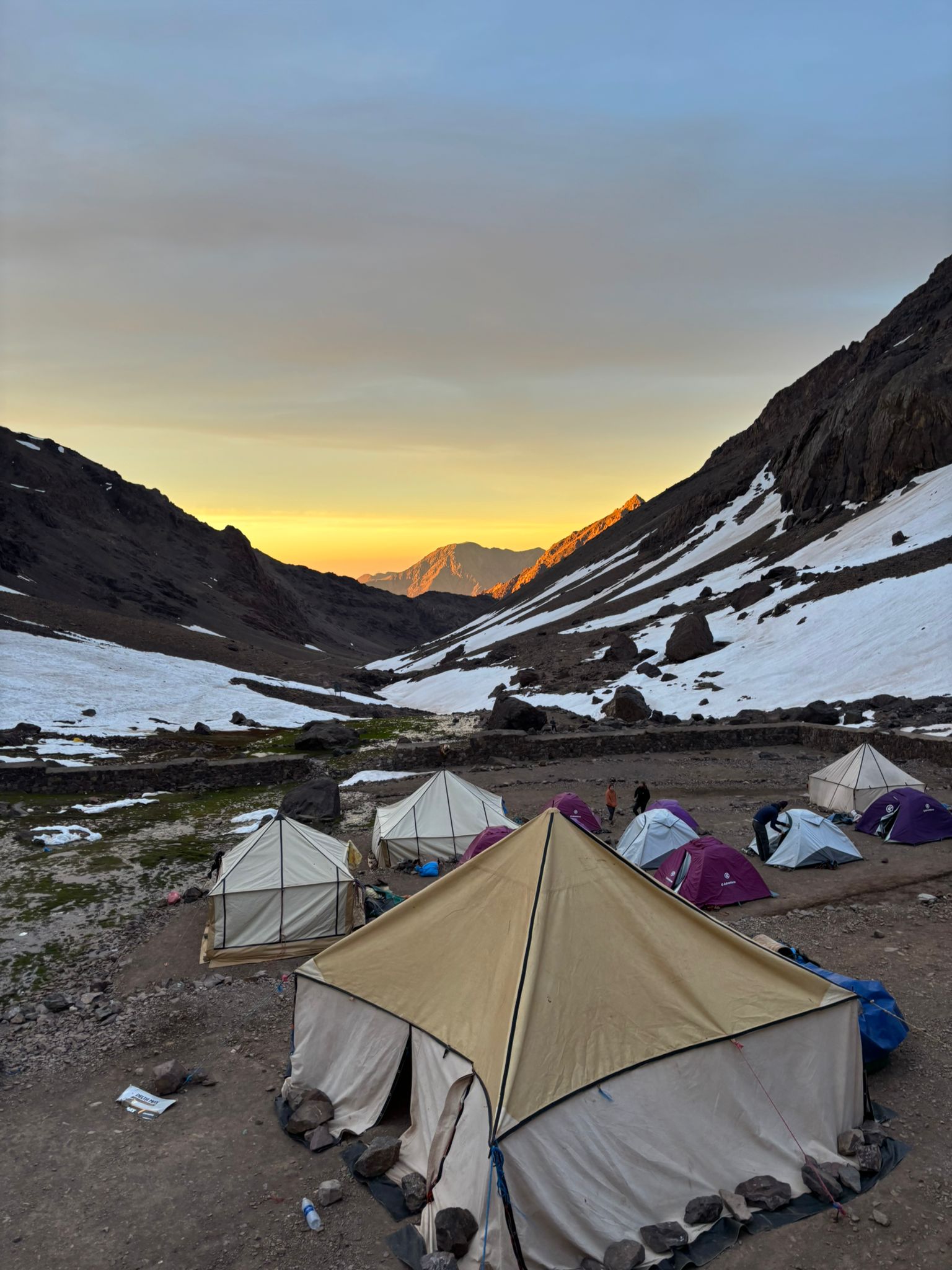
When is the best season for High Atlas trekking?
- April–May: green valleys and blossoming trees; snow may linger above 3,000 m.
- June–September: the main trekking season; hot in valleys, pleasant up high.
- October–November: clear skies, autumn colours on walnut trees, colder nights.
- December–March: winter mountaineering conditions on the peaks; lower valleys still walkable.
Our guide to the best time to visit Morocco covers the whole year, including desert and cities.
Key takeaways
- The best treks in the High Atlas range from a 2-day Toubkal climb to 6–8 day loops.
- Toubkal (4,167 m) is the classic; Lake Ifni and Iferouane (4,002 m) are the quiet alternatives.
- Five or more days lets you combine summits with authentic Amazigh villages.
- Late May to October is the most reliable trekking window.
- A local guide and mule team make every route more comfortable and safer.
Mouflon Adventures is a locally owned company based in Imlil, specialising in High Atlas trekking. Compare all our guided treks or contact us for a tailor-made route.