Fes, Marrakech, Meknes and Rabat: four cities that each served as the capital of a Moroccan dynasty, and four medinas so rich in history that all are listed by UNESCO. Together they form the "imperial cities of Morocco", the backbone of most cultural trips to the country. This guide explains what makes each one special, how to link them and how many days you really need.
What are the imperial cities of Morocco?
The imperial cities of Morocco are the four historic capitals of the country’s ruling dynasties: Fes, Marrakech, Meknes and Rabat. Each was chosen as the seat of power by a different dynasty or sultan, from the Idrisids in Fes to the Almoravids in Marrakech, Sultan Moulay Ismail in Meknes and the current Alaouite monarchy in Rabat, today’s capital. All four have historic centres inscribed on the UNESCO World Heritage List.
The four imperial cities compared
| City | Known for | UNESCO listing | Recommended time |
|---|---|---|---|
| Fes | Fes el-Bali medina, tanneries, Al Quaraouiyine, crafts | Medina of Fez (1981) | 2 full days |
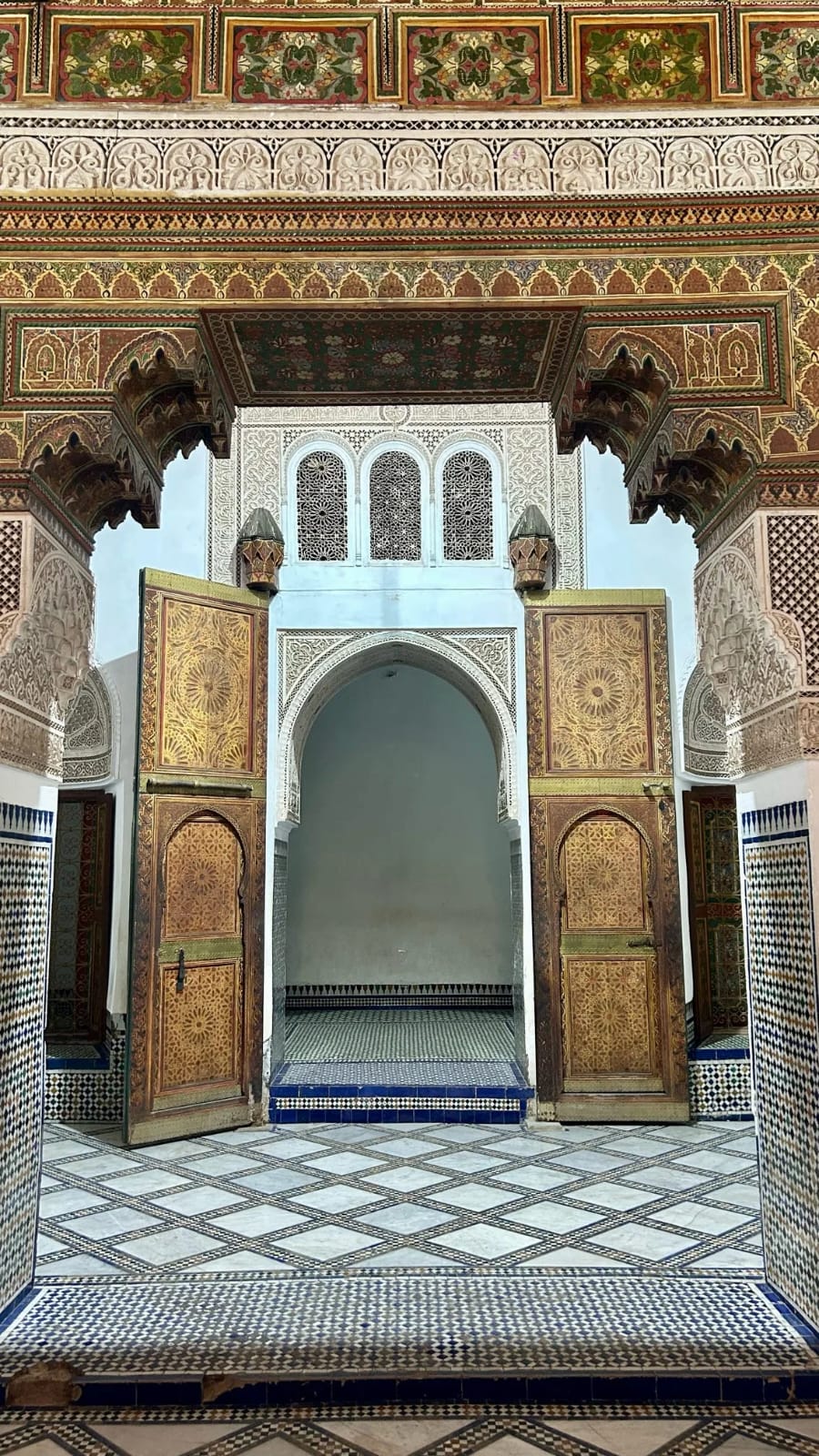
| Marrakech | Jemaa el-Fna, souks, Koutoubia, palaces, gardens | Medina of Marrakesh (1985) | 2–3 days |
| Meknes | Bab Mansour, Moulay Ismail’s mausoleum, royal granaries | Historic City of Meknes (1996) | Half to 1 day |
| Rabat | Kasbah of the Udayas, Hassan Tower, Mausoleum of Mohammed V | Rabat, Modern Capital and Historic City (2012) | 1 day |
Fes: the spiritual and cultural heart
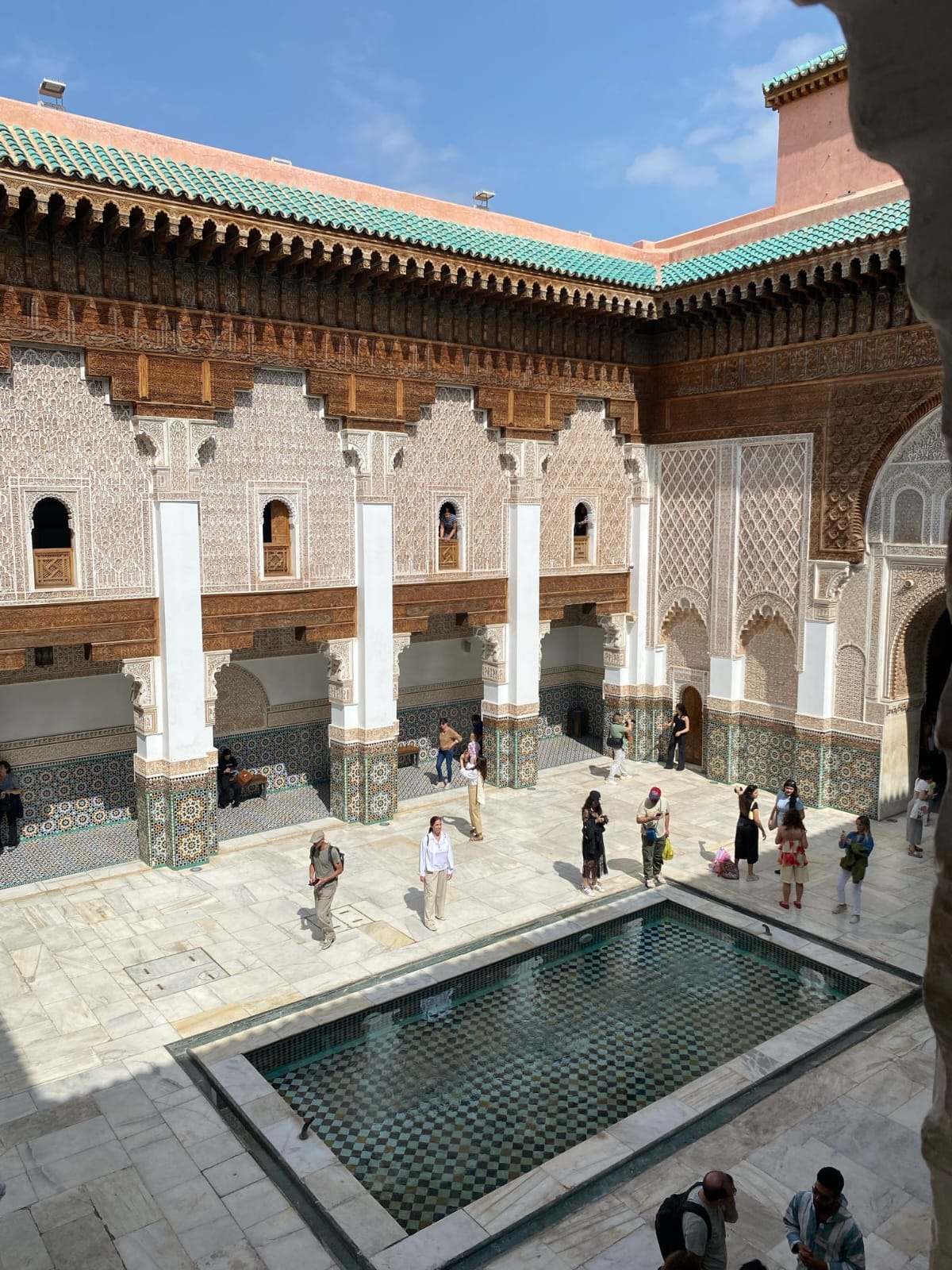
Founded in the late 8th century, Fes is the oldest of the imperial cities. Its old medina, Fes el-Bali, is a maze of thousands of lanes closed to cars, where donkeys still carry goods. Highlights include the Al Quaraouiyine mosque and university, the Bou Inania and Al Attarine madrasas, the Mellah (Jewish quarter), ceramic workshops and the famous Chouara leather tanneries. A local guide is almost essential here. See the UNESCO listing for the Medina of Fez.
Meknes: Moulay Ismail’s grand capital
In the late 17th century, Sultan Moulay Ismail turned Meknes into a monumental capital. Its huge gates, especially Bab Mansour, its ramparts, royal granaries and stables, and the Mausoleum of Moulay Ismail reflect that ambition. Meknes is calmer than Fes and pairs well with the Roman ruins of Volubilis, about 30 km away.
Rabat: the modern capital
Rabat combines history with a relaxed, green atmosphere on the Atlantic coast. Visit the blue-and-white Kasbah of the Udayas above the river mouth, the unfinished Hassan Tower and the Mausoleum of Mohammed V, and view the Royal Palace from outside. Most itineraries stop at the vast Hassan II Mosque in Casablanca on the way.
Marrakech: the red city
Founded by the Almoravids in the 11th century, Marrakech is the most visited of the four. Jemaa el-Fna square, the Koutoubia minaret, the Bahia Palace, the Saadian Tombs and the souks are must-sees. It is also the gateway to the High Atlas: Imlil and the trails to Mount Toubkal are under two hours away. Read our guide to the best treks in the High Atlas if you want to add mountains.
How to visit the imperial cities: a classic route
- Day 1–2: Casablanca → Rabat. Hassan II Mosque, then Rabat’s kasbah and monuments.
- Day 3: Rabat → Meknes → Fes. Bab Mansour and the medina of Meknes, optional Volubilis.
- Day 4: Fes. A full guided day in the medina.
- Day 5–7: Fes → Middle Atlas → Sahara. Ifrane, cedar forests, Merzouga dunes.
- Day 8–10: Sahara → Dades/Todra → Ouarzazate → Marrakech. Kasbahs and gorges.
- Day 11+: Marrakech and the Atlas. City visits and a walk in the mountains.
This is the logic of our 13-day Imperial Cities, Sahara and Atlas cultural tour. If you prefer the north, the 8-day Northern Morocco and Imperial Cities tour combines Rabat, Meknes and Fes with Tangier, Tetouan and Chefchaouen.
How many days do you need?
- 5–6 days: the four imperial cities only, at a fast pace.
- 8 days: imperial cities plus northern Morocco (Chefchaouen, Tetouan, Tangier).
- 10–14 days: imperial cities, the Sahara and the Atlas Mountains, the most complete first trip. See our 2-week Morocco itinerary.
What to eat in each imperial city
Each imperial city has its own food culture, and tasting it is part of the journey:
- Fes: famous for pastilla, a sweet-and-savoury pie traditionally filled with pigeon or chicken, almonds and cinnamon, and for its refined home cooking served in riads.
- Meknes: surrounded by vineyards, olive groves and orchards; try local olives and simple grilled dishes around the medina.
- Rabat: on the Atlantic, so fresh fish and seafood are a good choice, along with Moroccan pastries in the cafés near the kasbah.
- Marrakech: the evening food stalls of Jemaa el-Fna, slow-cooked tanjia, harira soup and sweet mint tea.
Where to stay: riad or hotel?
A riad is a traditional house built around an inner courtyard or garden, now often converted into a small guesthouse. Staying in a riad inside the medina of Fes or Marrakech is one of the most memorable experiences of a trip: quiet patios, rooftop terraces and breakfast served in the courtyard. The downside is access, as cars cannot enter the old lanes and you may walk a few minutes with your luggage. Modern hotels in the new towns (the "ville nouvelle") are easier to reach by car and usually have larger rooms and parking. On our circuits we combine both, depending on the city and your preferences.
When is the best time to visit?
Spring and autumn are ideal for city sightseeing, with daytime temperatures that make long walks in the medinas comfortable. Summer can be very hot in Fes and Marrakech, while Rabat stays milder thanks to the ocean. Winter is quieter and pleasant during the day, but nights are cold in riads without central heating. Our month-by-month guide to Morocco gives more detail.
Tips for visiting the imperial cities
- Hire licensed local guides in Fes and Marrakech medinas; they save time and explain what you see.
- Dress modestly, especially when visiting religious sites; most mosques are closed to non-Muslims, with the Hassan II Mosque a notable exception on guided tours.
- Spring (March–May) and autumn (September–November) are the most comfortable seasons.
- Stay in a riad inside the medina for atmosphere.
- Carry small change in dirhams for entrance fees, tips and taxis.
Key takeaways
- The imperial cities of Morocco are Fes, Marrakech, Meknes and Rabat.
- All four have UNESCO-listed historic centres.
- Fes needs the most time; Meknes and Rabat can be shorter stops.
- Most travellers combine them with the Sahara and the Atlas on a 10–14 day tour.
Want a private, guided circuit? Contact Mouflon Adventures or browse our tours.