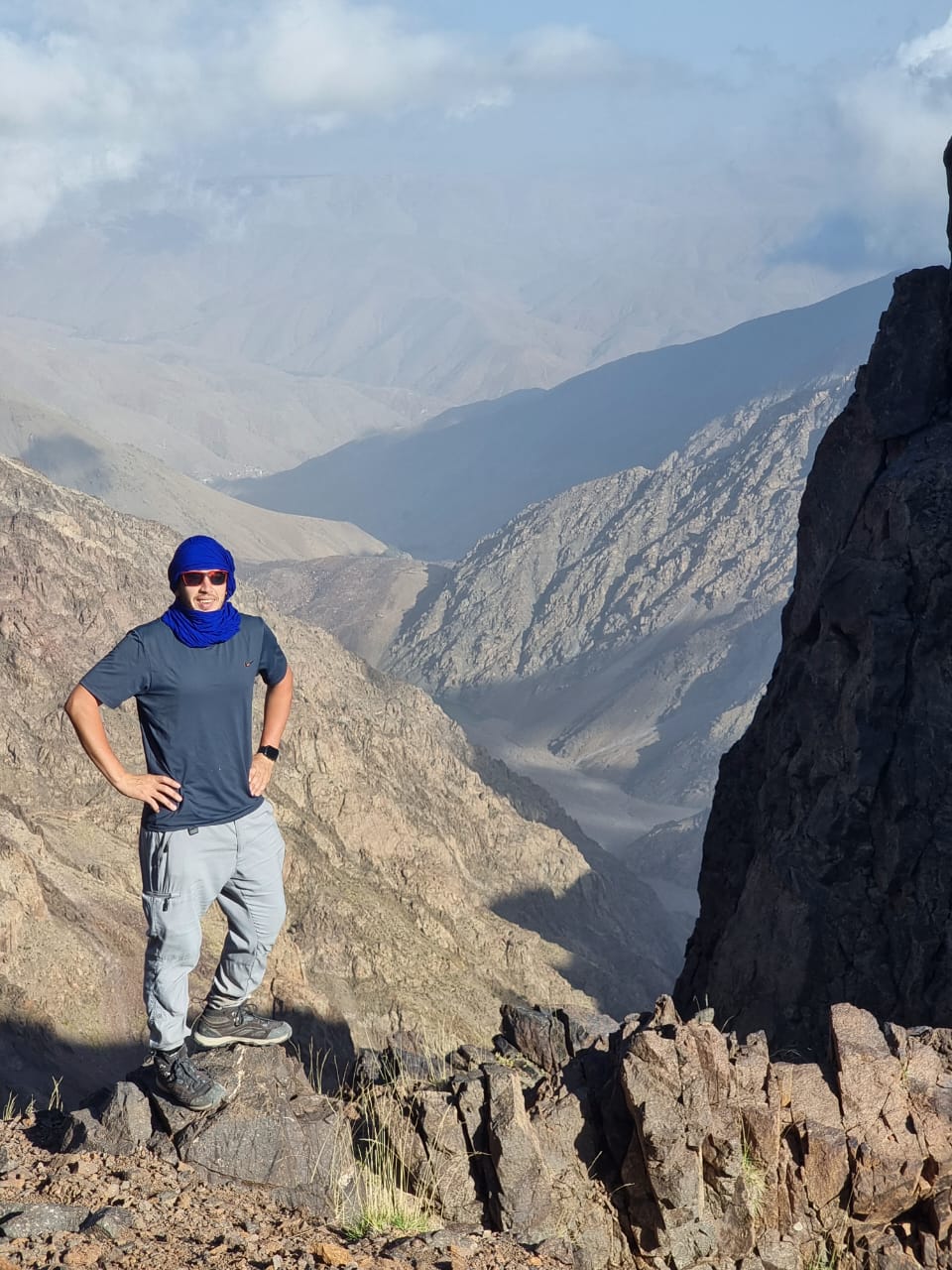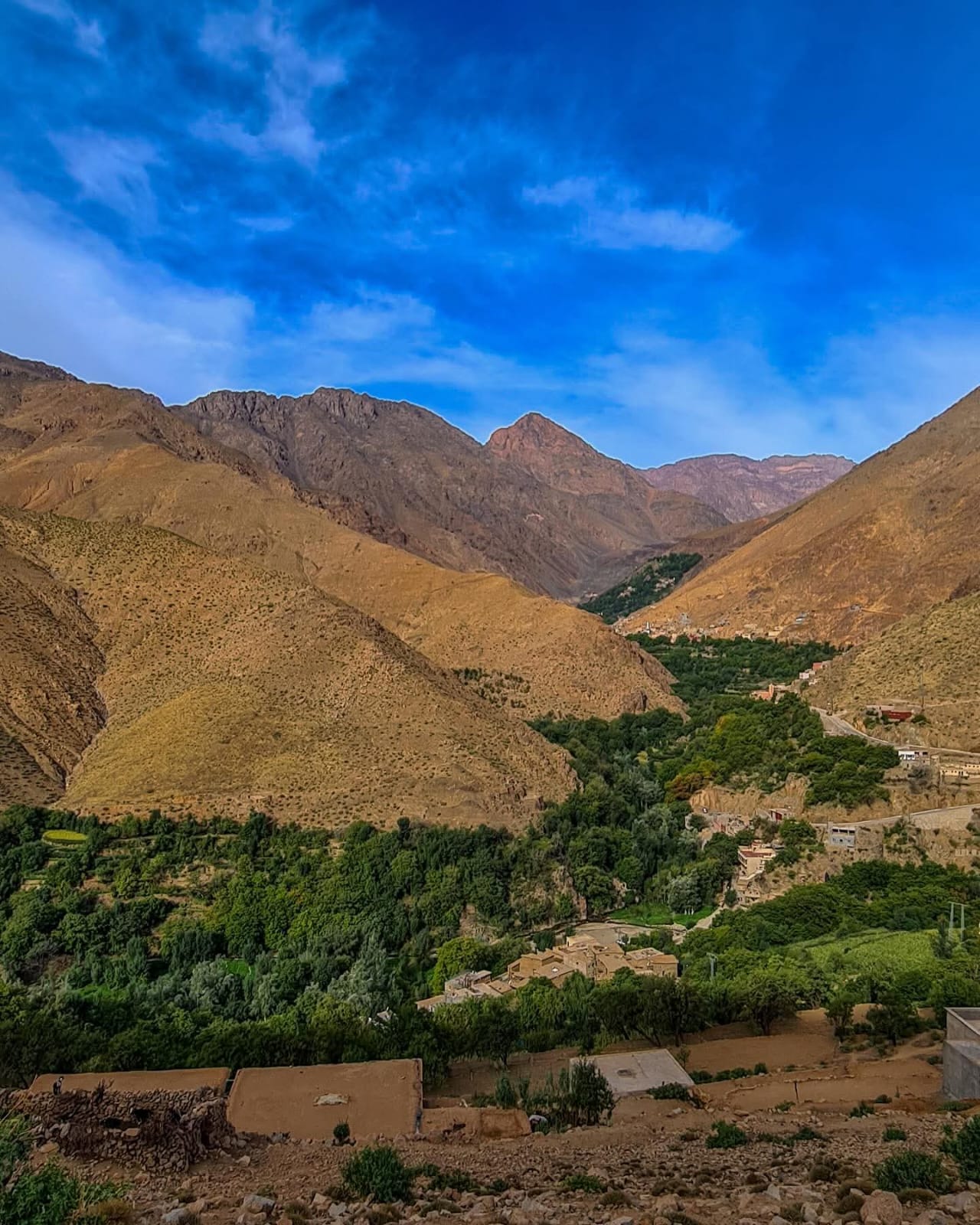
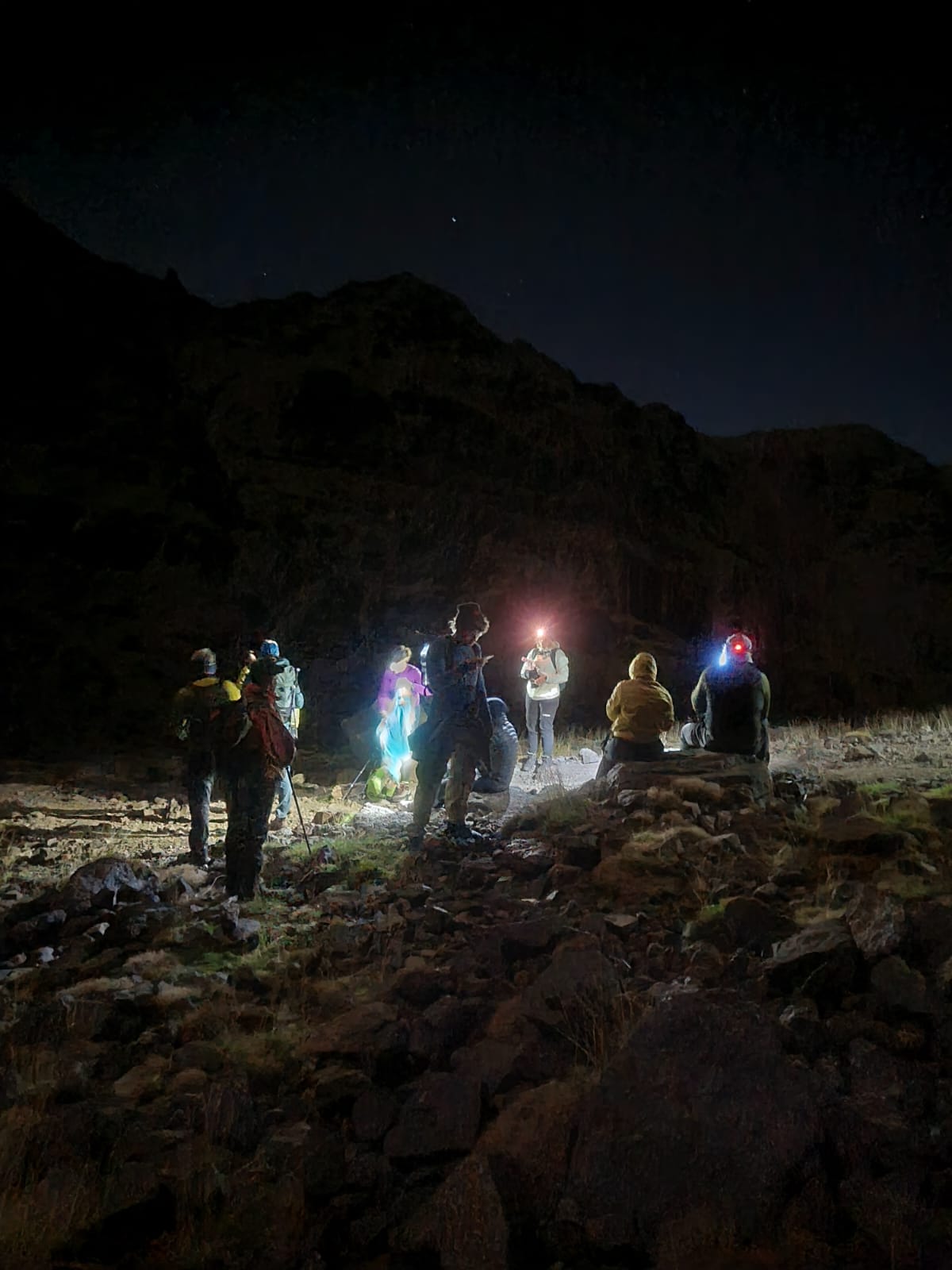
Mount Toubkal looks intimidating on paper: 4,167 metres, the highest summit in North Africa, a pre-dawn start and a long scree slope. Yet every season thousands of hikers with no mountaineering background stand on its summit tripod. So how hard is it really? This guide breaks down Mount Toubkal difficulty honestly, by altitude, terrain, season and fitness, so you can choose the right trek length before you book.
How difficult is Mount Toubkal, in one sentence?
In summer and early autumn, Mount Toubkal is a non-technical but strenuous high-altitude hike: no ropes or climbing skills are needed, but you walk 6 to 10 hours on summit day on rocky, loose ground, and the thin air above 3,500 m makes every step slower. In winter (roughly December to March) it becomes a genuine alpine ascent that requires crampons, an ice axe and an experienced guide.
Most people rate the standard route a "moderate to challenging" trek. The difficulty comes less from the gradient than from three combined factors: altitude, the length of summit day and the quality of the terrain.
The four factors that make Toubkal hard
1. Altitude
The trek starts in Imlil at around 1,740 m and the Toubkal Refuge sits at about 3,207 m. On summit day you gain roughly 960 m to reach 4,167 m. Above 3,000 m many hikers feel headaches, shortness of breath or poor sleep. This is why we prefer itineraries that sleep at Aremd (about 1,900 m) before the refuge rather than rushing straight up. The NHS gives a clear overview of altitude sickness symptoms and prevention.
2. Terrain
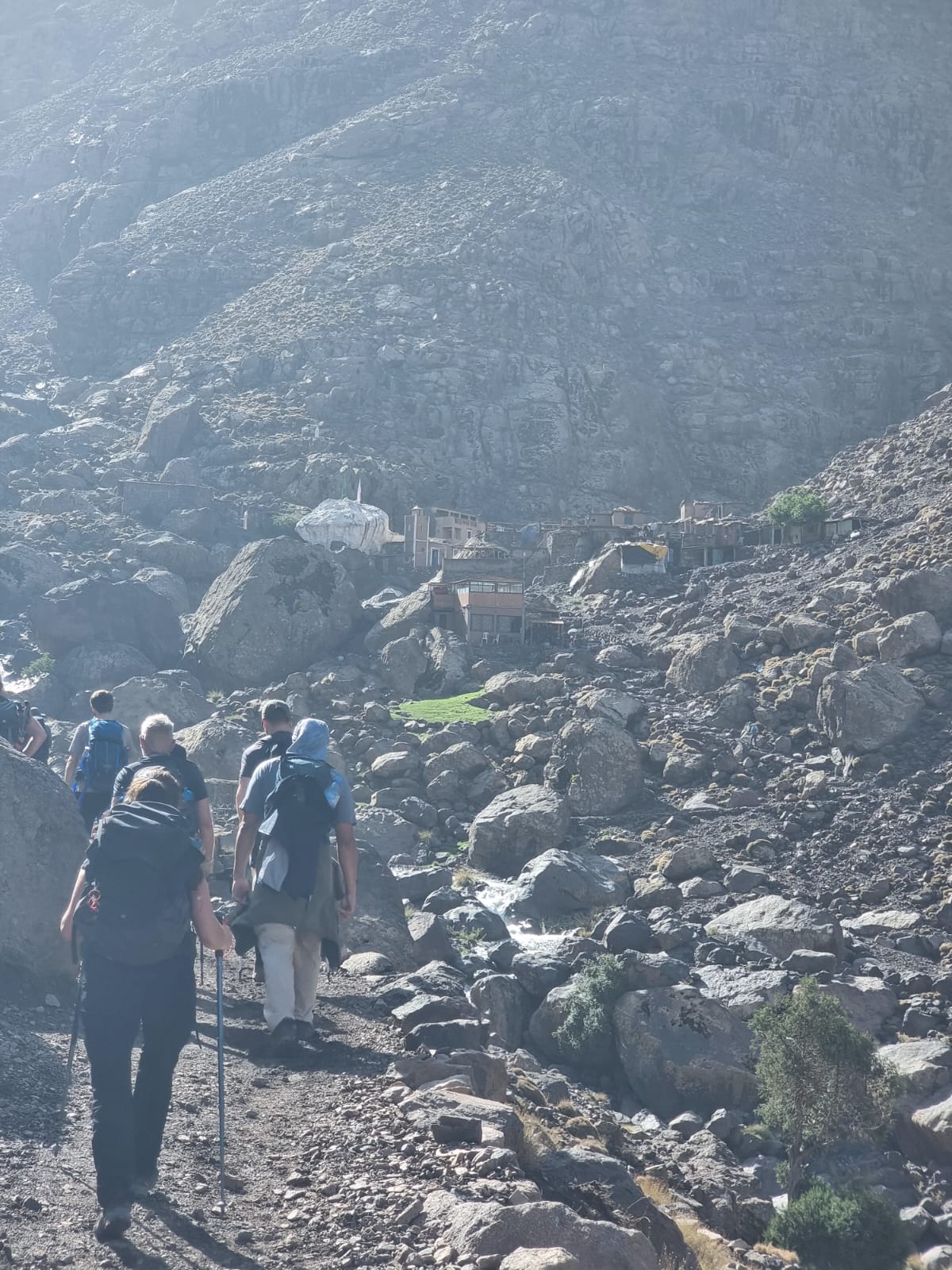
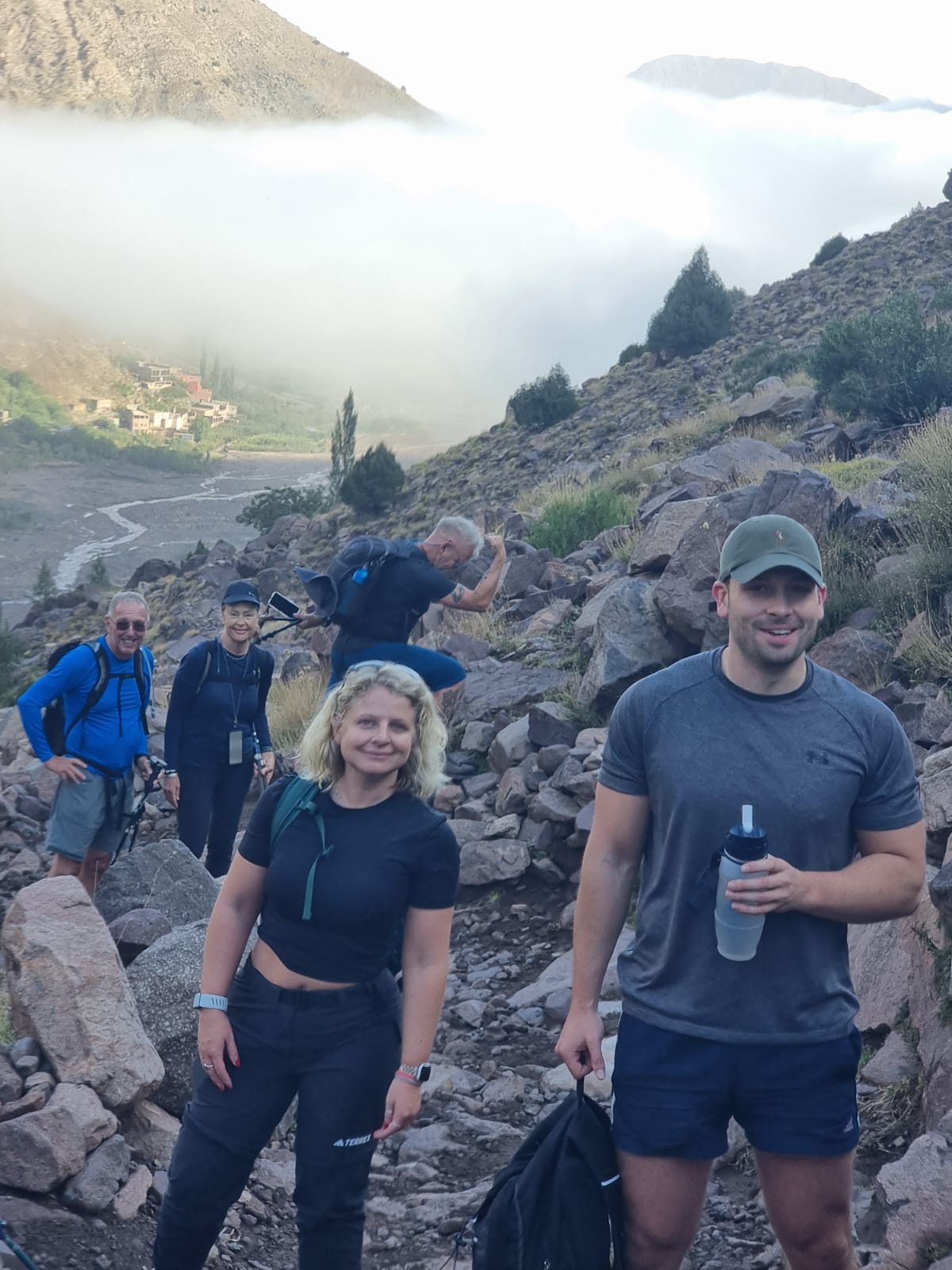
The south cwm route from the refuge is mostly scree and boulders. Loose stones make the ascent tiring and the descent hard on the knees. Trekking poles help a lot.
3. Length of the days
Day 2 (Aremd to the refuge via Chamharouch) is about 5 to 6 hours of walking. Summit day usually means leaving the refuge before sunrise, 3 to 4 hours up, then descending all the way to Aremd or Imlil: a long day of 8 to 10 hours in total.
4. Weather and season
Snow can cover the upper slopes from late autumn to spring. Even in July, temperatures on the summit can drop close to freezing at dawn, and wind is common.
Toubkal difficulty by itinerary length
The number of days you choose changes the difficulty more than anything else. Short trips compress the altitude gain; longer ones give your body time to adapt.
| Itinerary | Typical route | Difficulty | Who it suits |
|---|---|---|---|
| 2 days | Imlil → Refuge → Summit → Imlil | Hard (fast altitude gain) | Fit hikers short on time |
| 3 days | Imlil → Refuge → Summit → Aremd/Imlil | Moderate to hard | Regular hikers |
| 4 days | Aremd → Refuge → Summit → Aremd → Imlil | Moderate (better acclimatisation) | First-time high-altitude trekkers |
| 5–6 days | Valleys and passes, then Toubkal | Moderate, longer overall | Hikers who want culture and a gentler build-up |
If this is your first summit above 4,000 m, our 4-day Mount Toubkal trek via Aremd is the most balanced option: a short first day, a night at mid-altitude and a full afternoon of rest at the refuge before summit day. Hikers who want a gentler warm-up over passes such as Tizi n’Mzik can look at the 5-day High Atlas valleys and Toubkal trek.
How fit do you need to be?
You do not need to be an athlete, but you should be comfortable walking 6 hours with a light daypack, two or three days in a row. A practical benchmark:
- You can hike 15 km with 800–1,000 m of ascent in a day without being exhausted the next morning.
- You can climb stairs for 30–40 minutes at a steady pace.
- You have no knee or ankle problems that flare up on long descents.
- You are prepared to walk slowly: on Toubkal, pace matters more than speed.
Mules carry the main luggage on guided treks, so you only carry water, snacks, layers and a camera. That alone makes the trek much easier than an unsupported hike.
How to prepare for Toubkal: a 6-week plan
- Weeks 1–2: three walks or runs of 45–60 minutes per week, plus one longer hike of 3–4 hours.
- Weeks 3–4: add hill or stair sessions twice a week; do one hike with 800 m of ascent.
- Week 5: do back-to-back hiking days (Saturday and Sunday) with your trekking boots and daypack.
- Week 6: reduce volume, keep moving, sleep well and break in any new gear.
- On the trek: drink 3 litres a day, eat even if you are not hungry and tell your guide early about any headache.
For gear, see our Toubkal packing list; for budget, our breakdown of the Mount Toubkal trek cost.
Is Toubkal hard in winter?
Yes. From around December to March, and sometimes into April, the upper mountain is covered with snow and ice. The slopes are steeper to walk on, the days are short and temperatures at the summit can be well below zero. A winter ascent needs crampons, an ice axe, proper mountaineering boots and a guide experienced in snow conditions. Beginners usually enjoy the mountain far more between late spring and autumn; the site’s Toubkal programmes list March to November as the best season, with the most stable conditions from June to October.
What makes the summit day easier?
- An early start: the scree is firmer and cooler before sunrise, and you reach the summit in clear morning light.
- A slow, steady rhythm: local guides walk at a pace that looks too slow at first. Trust it.
- Short breaks: stop for 2–3 minutes regularly instead of long pauses that make you cold.
- Trekking poles: especially useful on the descent back to the refuge.
- Warm layers: a down jacket, hat and gloves even in August.
Do you need a guide for Toubkal?
The trek starts inside Toubkal National Park, and in recent years local authorities have required foreign hikers to be accompanied by a licensed mountain guide. Rules can change, so check before you travel. Beyond the regulation, a local guide handles navigation in poor visibility, monitors signs of altitude sickness and organises mules, meals and refuge beds. Mouflon Adventures is based in Imlil, the main gateway to the national park, and works with local trekking teams and muleteers.
Key takeaways
- Mount Toubkal difficulty is moderate to challenging: non-technical in summer, alpine in winter.
- Altitude and the long summit day are the real challenges, not climbing skills.
- A 4-day itinerary with a night in Aremd is the easiest way for first-timers to reach the summit.
- Six weeks of regular hiking and stair training is enough for most healthy adults.
- Go with a licensed local guide and choose the season that matches your experience.
Not sure which itinerary fits your level? Browse all our guided treks in the High Atlas or send us a message via the contact page and tell us about your hiking experience.